
It's one of the most common questions we hear: should I go with hardwood or LVP? Both look good in the right setting. Both can be installed well or badly. And both are widely available in BC. The difference comes down to where the floor is going, how the space gets used, and what you're actually trying to get out of it. Here's a straightforward comparison.
What's the Difference Between LVP and Hardwood Flooring?
They look similar at first glance but are completely different products.
Solid and Engineered Hardwood
Hardwood is real wood. Solid hardwood is milled from a single piece. Engineered hardwood has a real wood veneer on top with a layered core underneath, which gives it more dimensional stability in varying humidity conditions.
Both can be sanded and refinished, which is one of the bigger advantages of wood over vinyl. A solid floor installed properly can last 50 to 100 years. Engineered typically 25 to 40, depending on the thickness of the wear layer.
Luxury Vinyl Plank (LVP)
LVP is a synthetic product — typically a rigid SPC (stone plastic composite) or WPC core with a printed wood-look layer and a protective wear coat on top. Quality has improved a lot in recent years. A good LVP from a reputable manufacturer looks convincing and handles water and wear well.
The key limitation is that it can't be refinished. Once the wear layer is through, the floor is done. And while it's durable, it doesn't have the warmth, feel, or long-term value of real wood.
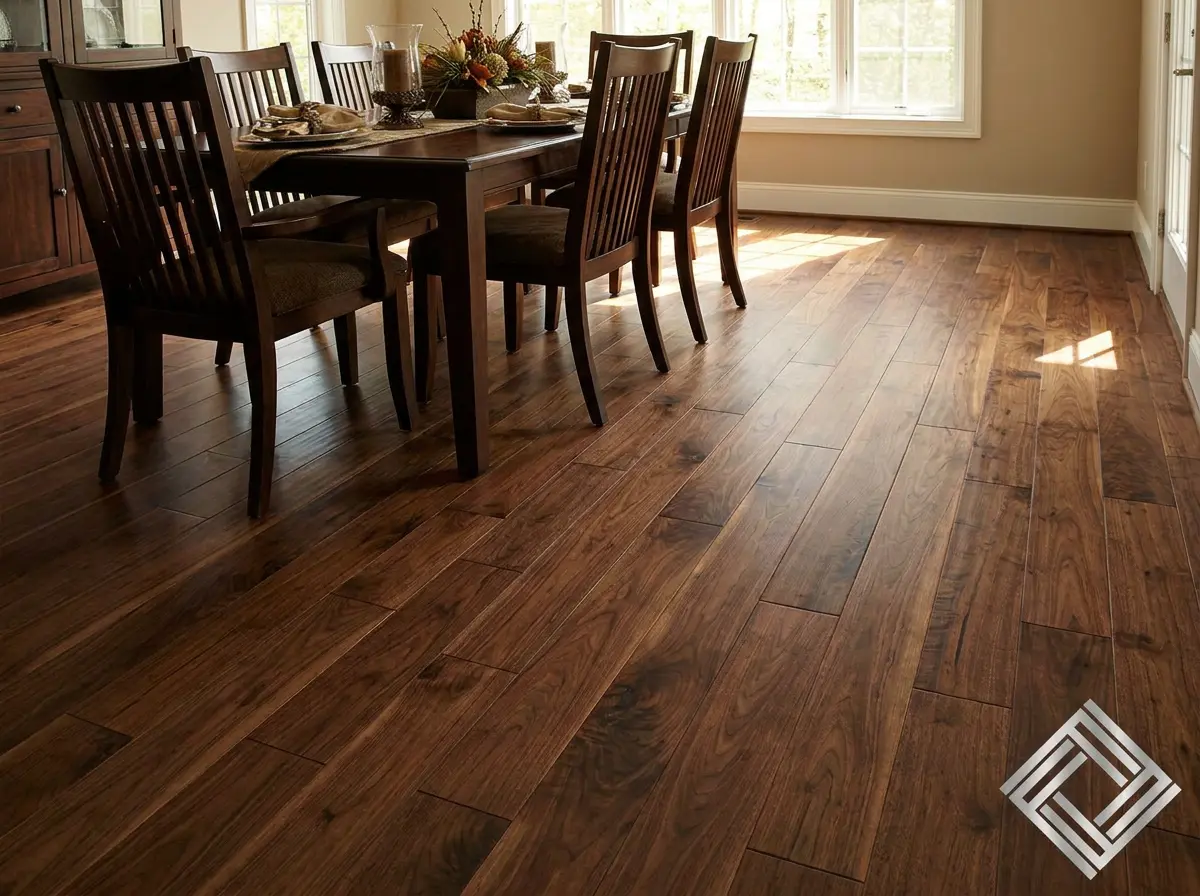
Where Each Flooring Type Performs Well
Rooms Where Hardwood Makes Sense
- Living rooms, dining rooms, and bedrooms with normal foot traffic and stable humidity
- Main floors in homes where long-term value and resale matter
- Spaces where the look, feel, and performance of real wood is important
- Projects where the client is prepared to address the subfloor properly before installation
Rooms Where LVP Makes Sense
- Kitchens, laundry rooms, and basements where moisture is a real concern
- Rental properties or high-traffic spaces where durability and cost matter more than longevity
- Projects where budget is the primary driver
- Spaces where the subfloor is below grade or over concrete
The honest take
Neither product is universally better. Hardwood in a basement with moisture issues is a poor choice. LVP in a main living area where someone wants a premium, lasting floor is a compromise. The right answer depends on the room, not a preference for one product over another.
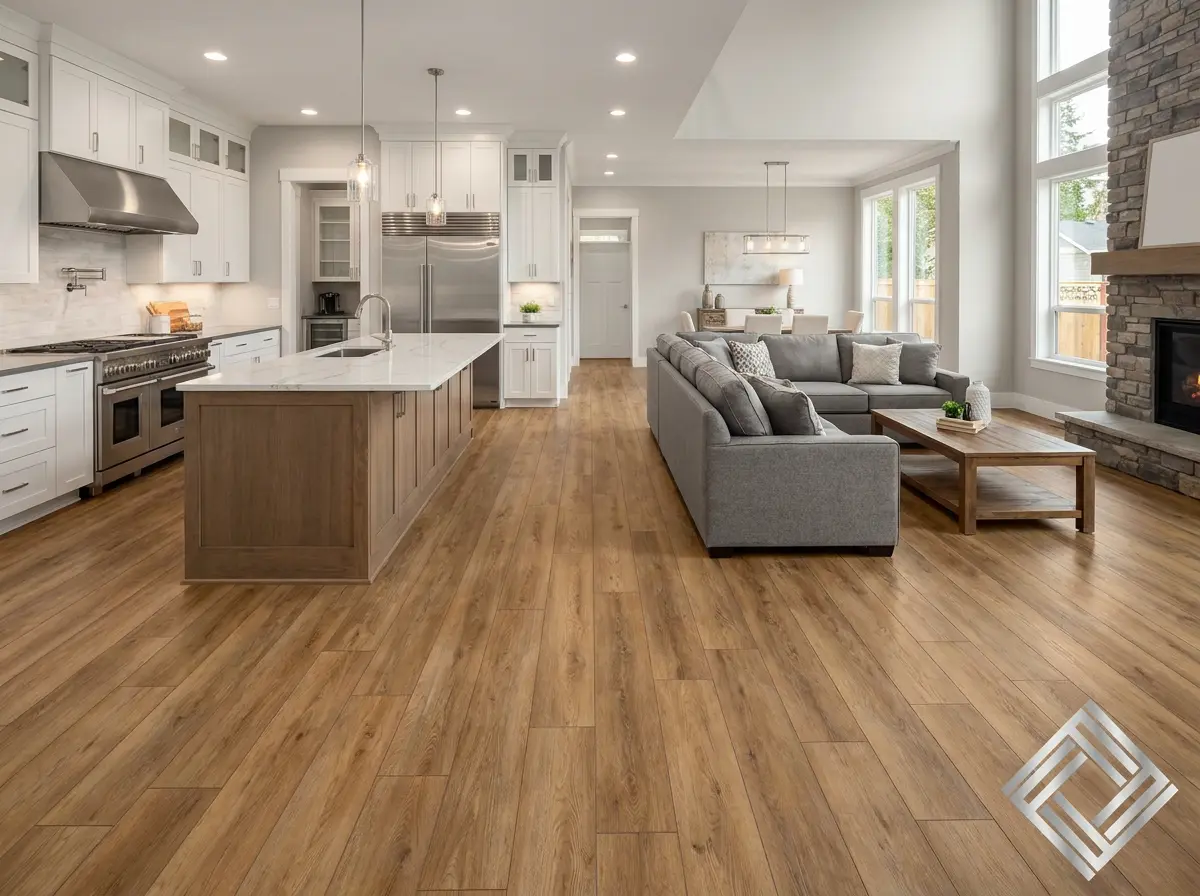
Cost Comparison: LVP vs. Hardwood Flooring in BC
On materials alone, LVP is typically less expensive. Here's a rough breakdown for BC:
- LVP materials: $3 to $7 per sq ft, depending on thickness and quality of the wear layer.
- LVP installation: $3 to $6 per sq ft for a standard floating install.
- Hardwood materials: $6 to $20+ per sq ft depending on species, grade, and whether it's solid or engineered.
- Hardwood installation: $4 to $8 per sq ft for standard installations.
Subfloor preparation is a cost factor for both. Neither product forgives a wet, uneven, or poorly prepared subfloor. That line item doesn't disappear just because you chose the less expensive flooring.
Durability and Longevity: What to Expect from Each
LVP handles scratches, dents, and moisture better day-to-day. It's a practical floor. But when it's worn out, it's replaced. There's no refinishing it back to life.
Hardwood can be sanded and refinished multiple times over its life. A solid hardwood floor installed in the 1970s can look new today if it's been maintained and refinished properly. That's not something you get from vinyl.
If you're thinking in 10-year windows, LVP can make sense. If you're thinking about the floor lasting the life of the home, hardwood is the better long-term investment in the right space.
How LVP and Hardwood Differ on Installation
Both products require a properly prepared subfloor. That's not optional regardless of what you're installing.
LVP is typically a floating click installation, which is faster and doesn't require the same acclimation period as hardwood. It's also more forgiving of minor subfloor imperfections, though "more forgiving" doesn't mean the subfloor doesn't matter.
Hardwood requires more preparation — moisture testing, acclimation, and in many cases a nail-down or glue-down installation. The process takes longer and the stakes are higher if the subfloor isn't right. Done properly, the result is a floor that performs well for decades.
Questions to Ask Yourself Before Choosing LVP or Hardwood
Before you commit to either product, it's worth thinking through a few things:
- 1Is there any moisture risk in this space — below grade, near water sources, or over concrete?
- 2How long do you plan to be in this home, and does resale value factor into your decision?
- 3What's the subfloor condition, and are you prepared to address it properly before installation?
- 4Are you looking for something that lasts 10 to 15 years, or something that can last a lifetime?
- 5Is the look and feel of real wood important to you, or is a convincing appearance enough?
The Bottom Line on LVP vs. Hardwood Flooring
LVP is a solid product in the right application. It handles moisture, it's durable, and it's more accessible price-wise. If the space calls for it, there's nothing wrong with choosing it.
Hardwood is a longer-term investment. It costs more, requires more preparation, and needs to go in the right conditions to perform properly. But in the right space with the right installation, it's a floor that holds up and adds real value for the life of the home.
The decision shouldn't be based on which product is trending or which one costs less. It should be based on the room, the subfloor, how the space gets used, and what you're actually trying to accomplish.